As special education teachers, we know that the way we set up our classroom can make all the difference- for us and our students. A well-organized, intentional space promotes independence, reduces behavior issues, and creates a safe learning environment. Whether you are a first year teacher or a veteran, here are some key tips for setting up your special education classroom for success.
Start with the Students in Mind:
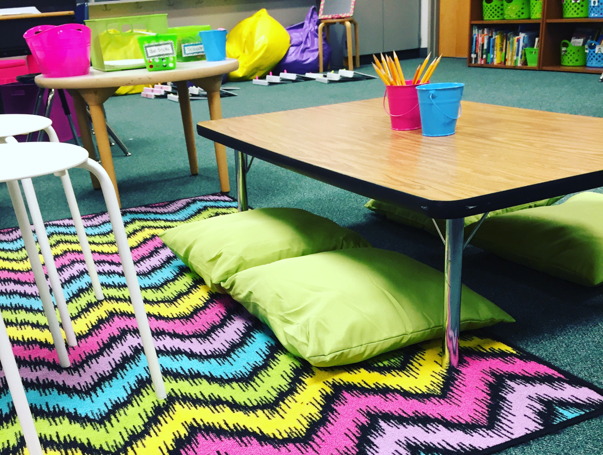
- A student centered set up is key, based on what kind of support level your classroom provides. Will you be pulling students for small group, teaching life skills, providing behavior support, or a mix of all three? Determine what kinds of supports your students require and arrange tables, desks or areas that will best fit their needs.
Define Clear Zones:
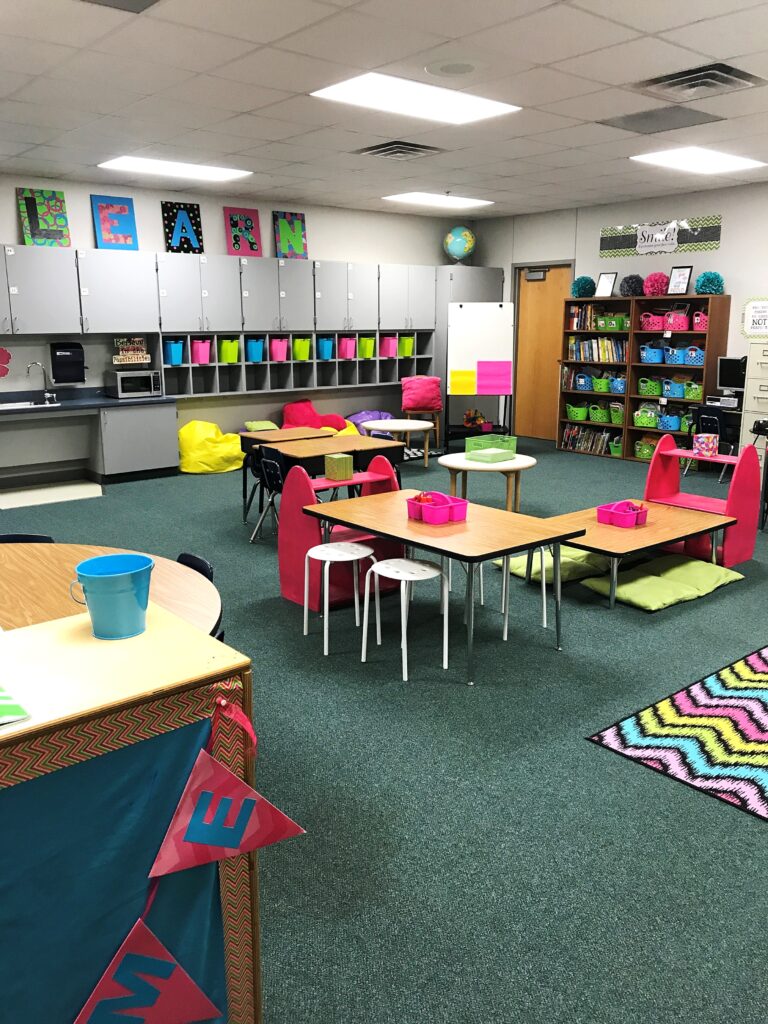
- Create clearly defined spaces within your classroom to add strucutre and predictabiltiy.
- Zones to Add:
- Small Group Table: This is your instruction hub. Keep it organized with data sheets, visuals and materials you need for teaching.
- Independent Work Area: A quiet, distraction free spot where students can work on IEP goals or tasks they have mastered. Consider using a single desk with a curtian or priviacy screen, but make it fun!
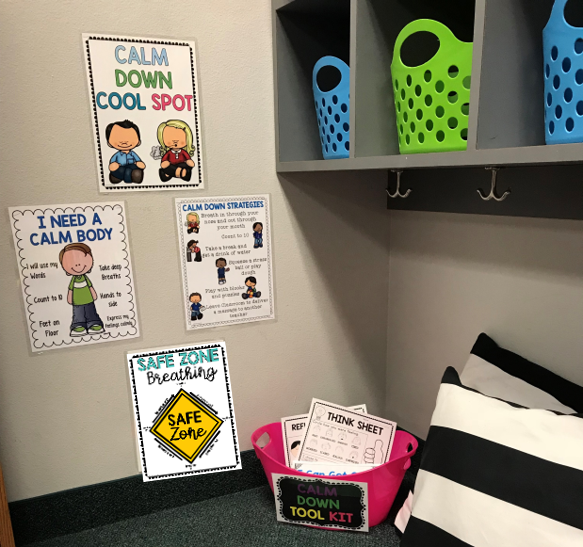
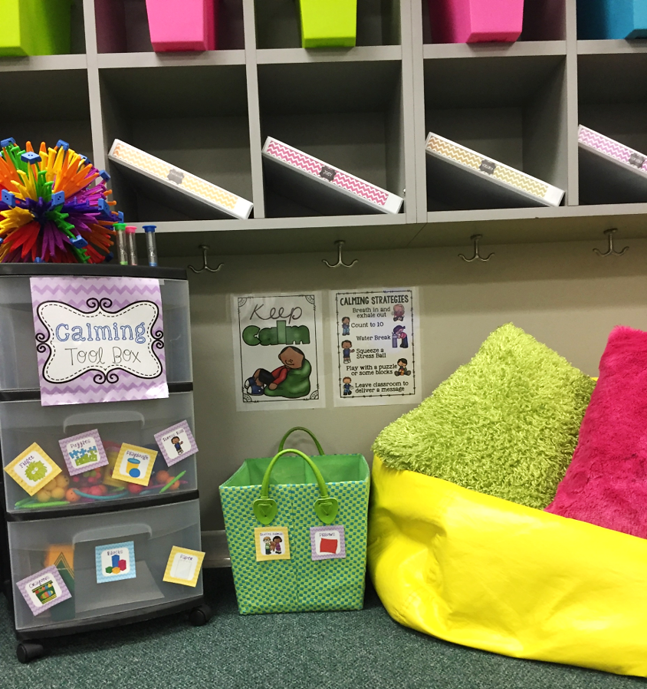
- Cool-Down Corner: Every classroom needs this area, Gen-Ed & SpEd, it is a safe place for students to self regulate and use calming tools and strategies.
- Centers or Rotations: Set up areas with labeled bins and visuals to make transitions smoother.
- ProTip: Use rugs, bookshelves, or low dividers to create physical boundaires
Organize for Efficiency:
- Use color coding for student materials, data binders, and IEP paperwork. Every student is their own color. It’s genius and works everytime.
- Label bins with words and visuals so students can access materials at all levels.
Build in Behavior Supports
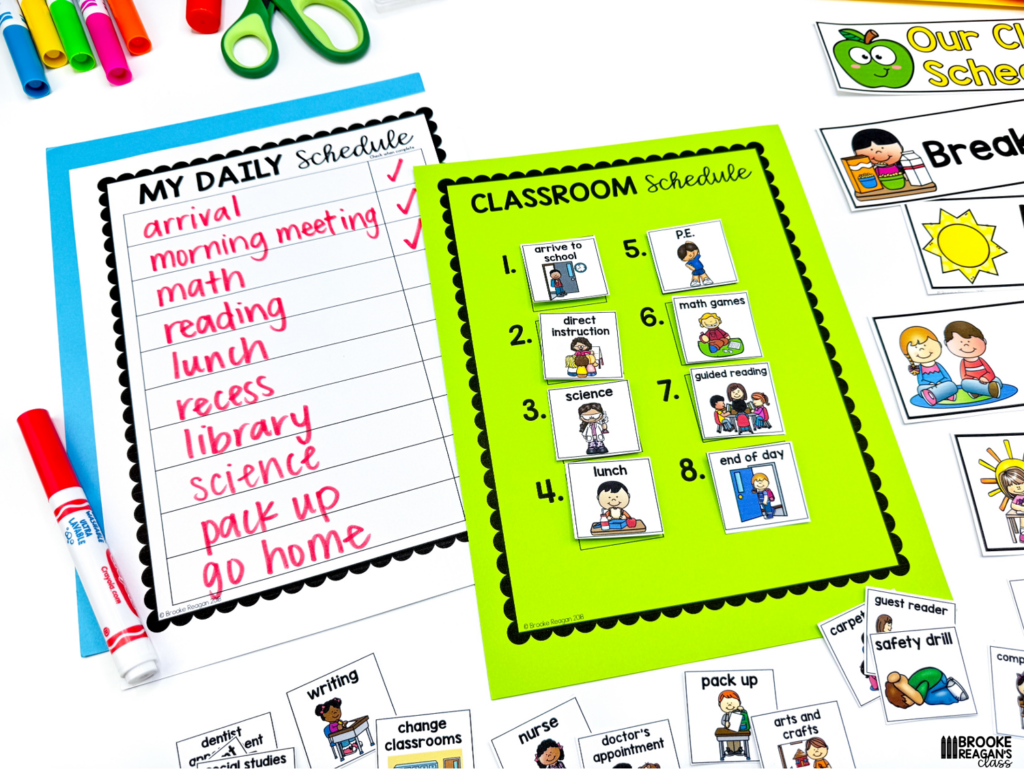
- Incorporate a visual schedule within your classoom. Make sure one is large enough for all to see and then also have individual visual schedules for students that are portable and easy to use
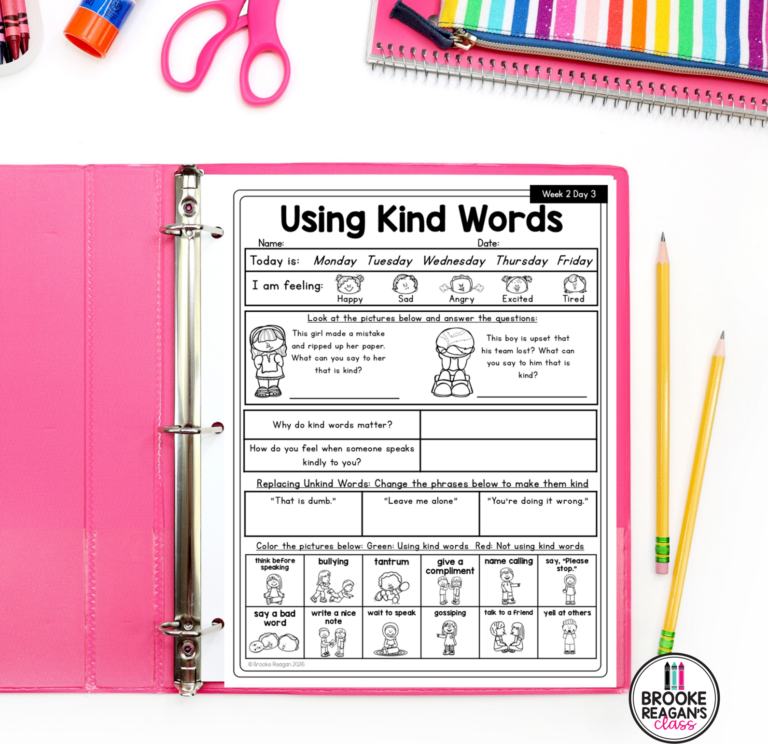
- Visual of classroom rules and behavior expectations
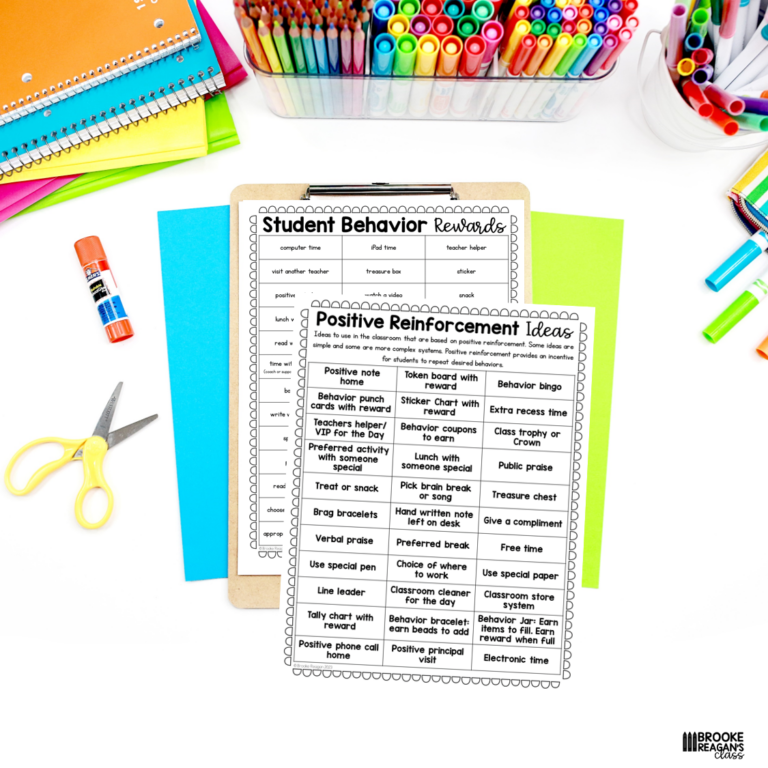
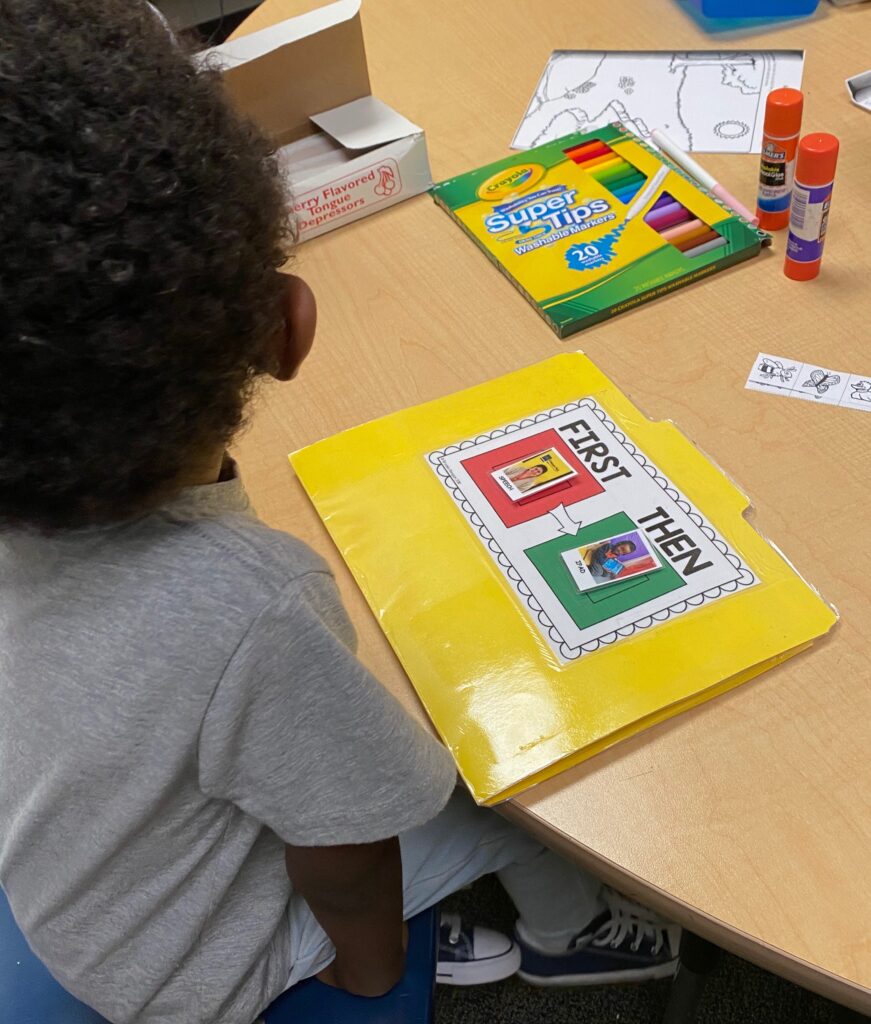
- A token board, first/then board or other reinforcement systems customized to student needs
- Access to break cards and visual supports
Make it Warm- but Not Overwhelming
- Many students in your sped classroom are senstive to their environments. Avoid overstimulating your room with too much clutter or noise. Aim for cool tones with pops of color with clean and calming decor
When students feel seen and safe, real learning happens. Greet them by the door, laugh with them, and celebrate their growth. Your classroom is their safe place!